Gas Line Installation & Gas Piping Services Airdrie, AB

Professional, Affordable Gas Line & Gas Fitting Services in Airdrie, Calgary & Nearby Areas
Planning to upgrade your gas system, install a tankless water heater, or add a BBQ, firepit, or garage heater? Proper gas line installation and sizing are essential for safety, efficiency, and reliable performance.
Our team of certified gasfitters provides expert gas line installation, repair, and maintenance for residential and commercial properties across Airdrie, Calgary, and surrounding areas. From flexible gas piping to underground installations, every project is handled with precision, using quality materials and following all local codes and safety standards.
Whether you’re adding new appliances or tackling a full renovation, our gas line services ensure safe, dependable performance for years to come.

Complete Gas Line Services

Comprehensive Gas Line, Gas Piping, & Gas Fitting Services
We handle a wide variety of gas line needs for residential and commercial properties.
Our services include:
- Gas line hookups for BBQs, garages, fireplaces, stoves, and more
- Outdoor and patio gas heater installations
- Gas fittings for decks and outdoor living spaces
- Gas lines for attached and detached garages
- Retrofits during home renovations
- Termination or relocation of old gas lines
- Gas leak detection and repair
- Underground gas line installations
No matter the size or complexity of your project, we ensure that every gas line we install is air-pressure tested and meets safety regulations. Trust our team to provide a reliable, leak-free installation from start to finish.
Factors That Affect Gas Line Installation Cost
Natural Gas Installation & Gas Appliance Connections
Natural gas is a versatile and affordable energy source for a wide range of appliances.
Installation costs vary depending on:
- The number of appliances requiring connection
- Pipe length and material type
- Indoor vs. outdoor installations
- Required permits and inspection fees
Common gas-powered appliances include: hot water tanks, tankless water heaters, boilers, stoves, fireplaces, garage heaters, outdoor grills, and pool heaters.
Our licensed gasfitters provide accurate, upfront estimates tailored to your property’s needs.
Underground Gas Line Installation Services
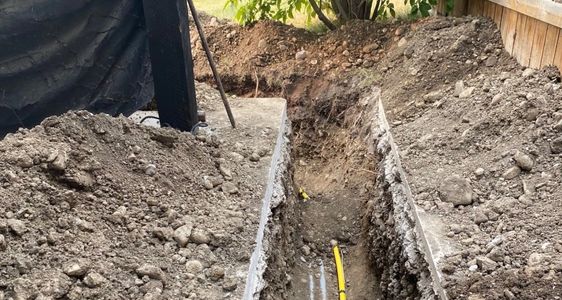
Professional Underground Gas Line Installation for Every Property
Need an underground gas line installation for your garage, workshop, firepit, or backyard BBQ? Our licensed team can assist with all aspects of underground gas line installation, from trench digging to final inspections.
We handle all the required permits and inspections, ensuring your installation is safe and up to code. Whether you need a new trench or already have one prepared, we’re here to help.
Causes of Gas Leaks
Common Causes of Gas Leaks Our Team Handles in Airdrie & Calgary
Many common factors can contribute to gas leaks in homes and commercial properties, especially in areas like Airdrie and Calgary, where gas-powered appliances are widely used. Understanding the root causes of leaks can help you maintain a safe environment.
Common causes of gas leaks include:
- Poor Seals on Gas Lines
- Frayed or Damaged Delivery Lines
- Corroded or Worn-out Piping
- Improperly Installed Gas Lines
Our expert local Airdrie Gasfitters are trained to address these issues, ensuring your gas system remains leak-free. We comply with all local building codes and use only high-quality materials, backed by manufacturer warranties.
For Related Services, See Our
Tankless Water Heater Services
Tankless Water Heater Services
Upgrade to an energy-efficient tankless system with the proper gas line sizing and installation.
Residential Heating Services
Tankless Water Heater Services
Keep your home warm and efficient with properly installed gas heating systems.
Boiler Installation & Repair
From installation to maintenance, ensure your gas-powered boilers run safely and efficiently.
Garage Heater Installations
Heat your workshop or garage safely with expert gas line connections and appliance installation.